
The Unwritten Rules That Decide Your Career
No one hands you a document that explains how to succeed at work. Yet, every workplace runs on rules that are never written down.
The Unwritten Rules That Decide Your Career Read More »

No one hands you a document that explains how to succeed at work. Yet, every workplace runs on rules that are never written down.
The Unwritten Rules That Decide Your Career Read More »

Every morning the sun rises over our cities and villages without anyone paying for it. The wind blows freely. Rivers continue to flow. These everyday natural events are more powerful than they look. They are also some of the most important sources of renewable energy in the world.
Renewable Energy Explained in Simple Terms Read More »

Nigeria’s renewable energy laws support solar, wind, and hydro projects, promoting clean energy, climate action, and sustainable development. Legal compliance ensures safety, efficiency, and economic benefits for businesses and communities.
Renewable Energy and the Law in Nigeria Read More »
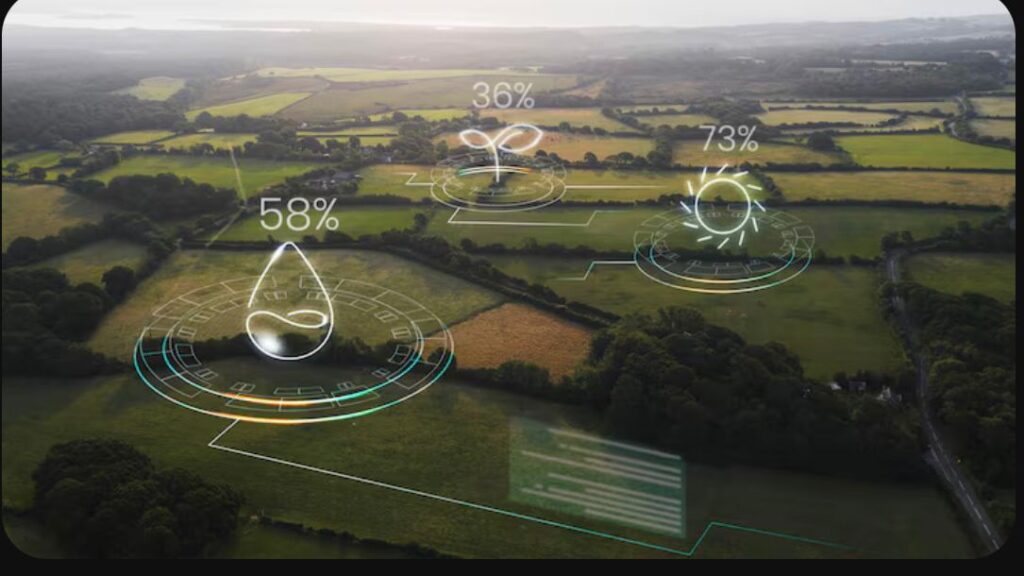
Environmental Impact Assessments in Nigeria evaluate how projects affect communities, ecosystems, and resources. They ensure sustainable development, protect public health, and provide a legal framework for responsible planning and mitigation.
Environmental Impact Assessment: Why It Matters Read More »

Nigeria’s forests and wildlife are protected by laws that regulate logging, hunting, and land use. Conserving biodiversity safeguards ecosystems, supports communities, and ensures sustainable development for future generations.
Forest and Biodiversity Protection in Nigeria Read More »
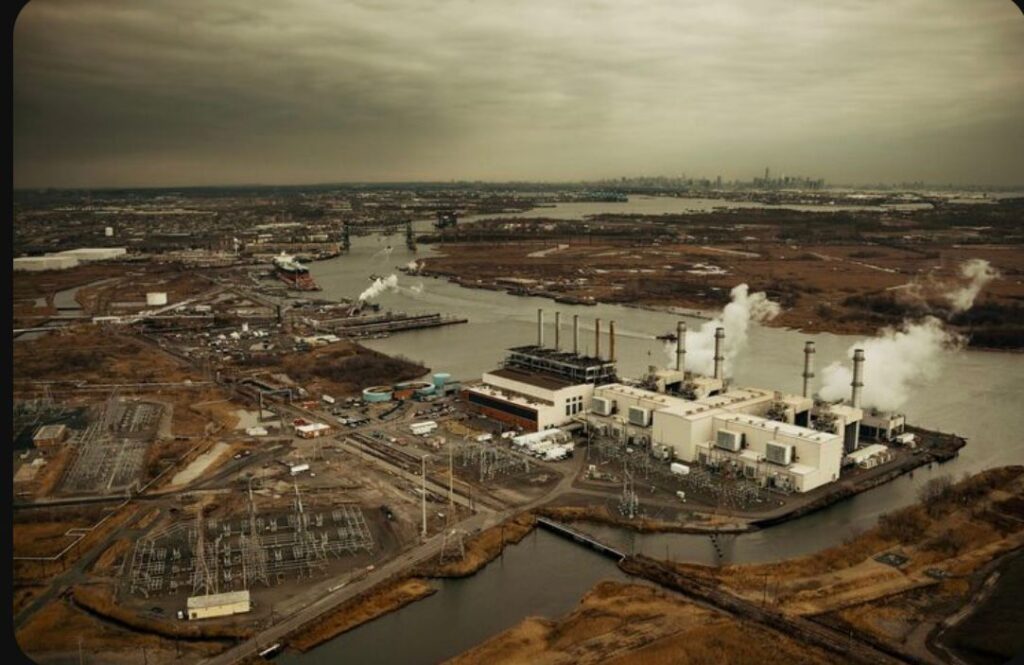
Oil and gas pollution in Nigeria is regulated by laws that require companies to prevent spills, reduce gas flaring, and remediate contaminated sites. Legal oversight ensures community protection, environmental sustainability, and responsible resource development.
Oil and Gas Pollution: Legal Oversight in Nigeria Read More »
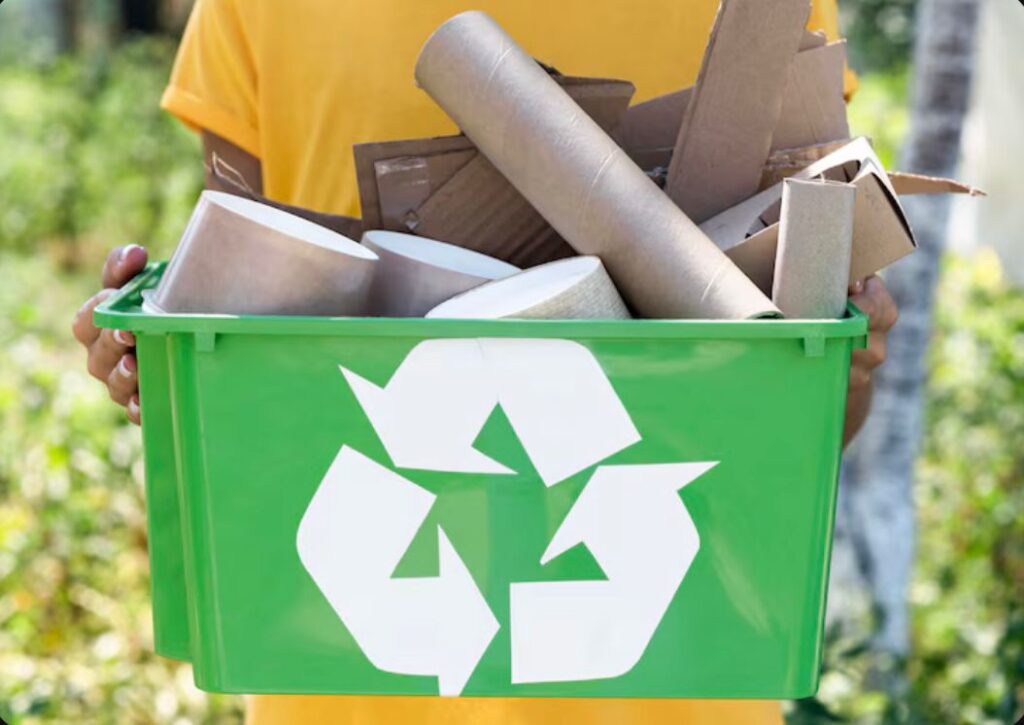
Waste management in Nigeria is essential for public health and environmental protection. Laws require responsible disposal by businesses, municipal authorities, and citizens. Participation in proper waste management practices ensures cleaner communities, healthier ecosystems, and sustainable development.
Waste Management and Environmental Responsibility in Nigeria Read More »

Participation in carbon markets allows Nigerian businesses and individuals to offset emissions by supporting verified projects such as reforestation and renewable energy. Practical steps include measuring emissions, selecting credible projects, purchasing credits, integrating carbon management into strategy, reporting actions, and staying informed on regulations to create real environmental and economic impact.
How Businesses and Individuals in Nigeria Can Participate in the Carbon Market Read More »

Air pollution affects every Nigerian, from the streets of Lagos to industrial hubs across the country. Harmful emissions from vehicles, factories, gas flaring, and waste burning threaten health, productivity, and the environment. Nigerian laws, including the NESREA Act and Environmental Impact Assessment requirements, exist to regulate emissions and hold polluters accountable. Citizens and businesses both have responsibilities to prevent contamination, report violations, and adopt cleaner practices. While enforcement faces challenges, legal protections provide a framework for cleaner air, healthier communities, and sustainable development. Understanding and following air pollution laws is essential for safeguarding the air we all breathe.
air pollution laws: breathing clean in nigeria Read More »
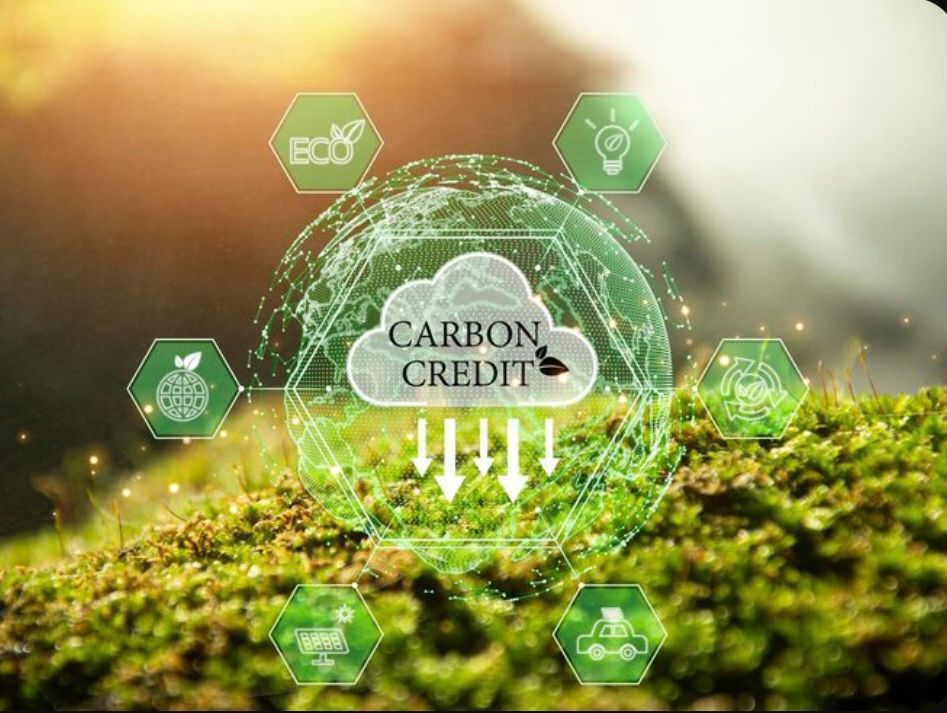
Carbon credits represent one ton of reduced or removed carbon emissions and can be traded in carbon markets. In Nigeria, these credits support projects like reforestation, renewable energy, and methane capture, providing environmental, social, and economic benefits while helping businesses and communities offset their emissions.
carbon credits and carbon markets in nigeria Read More »