
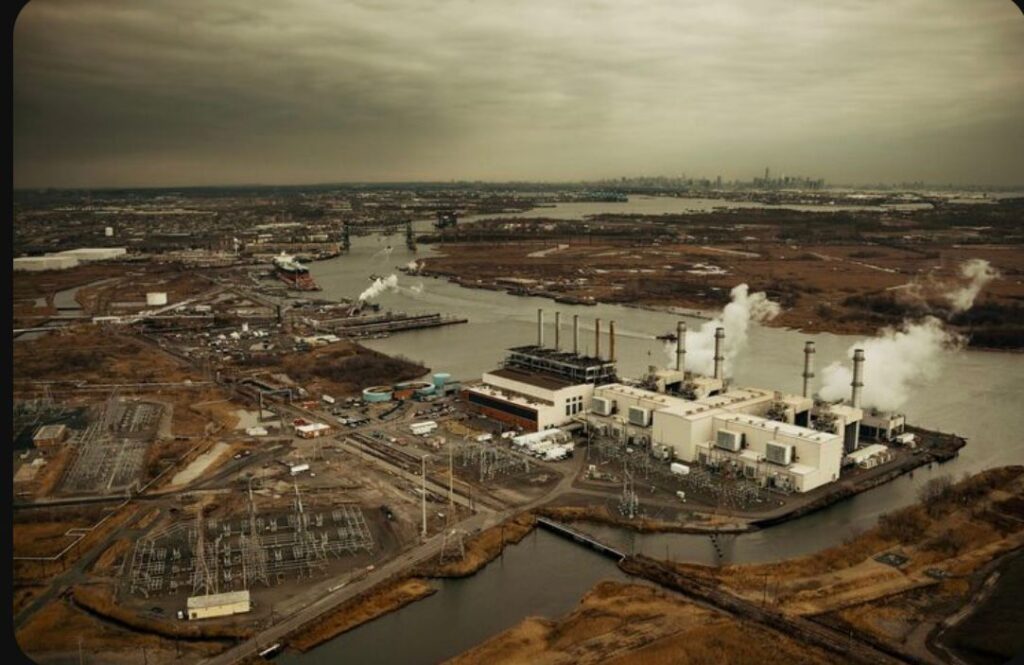
In the Niger Delta, a fisherman once found his catch contaminated with oil, making it unsafe for his family and community. This scenario reflects a broader challenge in Nigeria: pollution caused by oil and gas operations. Legal oversight in this sector is vital to protect communities, ecosystems, and the economy.
Nigeria’s petroleum industry is regulated by several laws, including the Petroleum Act, the Environmental Impact Assessment Act, and the Oil Pipelines Act. These laws govern exploration, production, and environmental management. Companies are required to prevent spills, monitor environmental impacts, and clean up contaminated sites. Failure to comply can result in fines, litigation, and reputational damage.
Gas flaring, a major source of pollution, is regulated by the Associated Gas Reinjection Act. The law encourages companies to reduce flaring, conserve resources, and protect air quality. Oil spills, which have historically caused extensive damage in the Niger Delta, are addressed through strict remediation obligations. Companies must restore affected land and water to minimize long-term harm.
Communities have legal avenues to demand accountability. Local residents can report spills, participate in environmental assessments, and take legal action to ensure remediation. Citizens’ engagement combined with regulatory oversight strengthens enforcement and creates incentives for companies to follow best practices.
The oil and gas sector remains a significant contributor to Nigeria’s economy, but it also poses environmental risks. Balancing economic benefits with ecological and social responsibility requires strict adherence to the law and proactive participation by communities, regulators, and companies. Legal oversight ensures that Nigeria’s natural resources can support development without compromising the health and livelihoods of its people.