
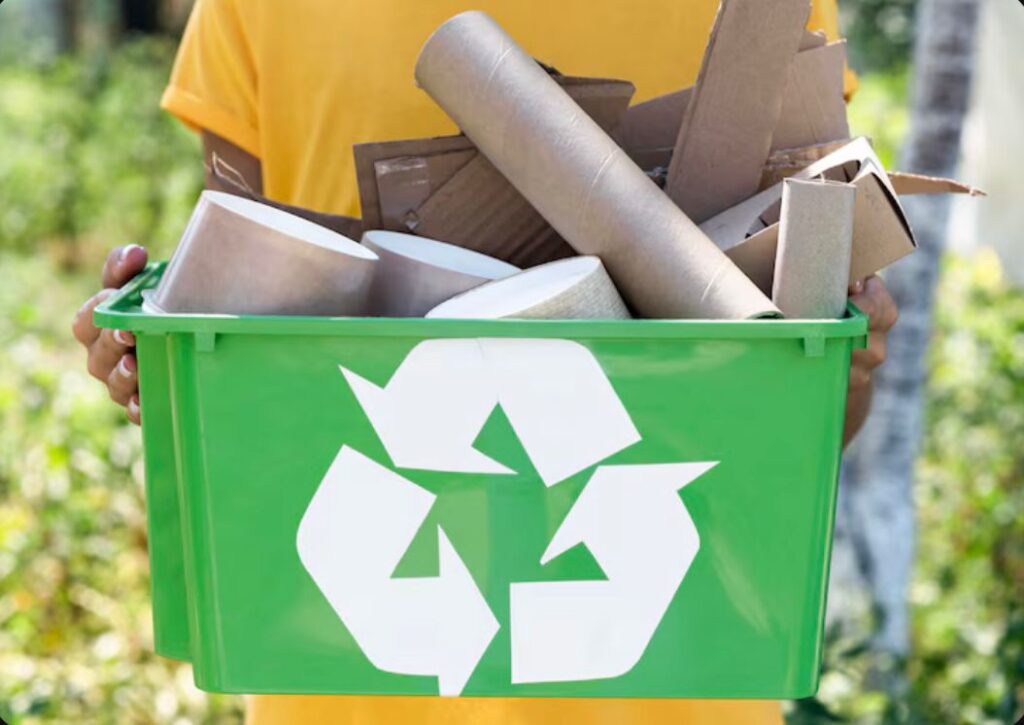
In a small town in southwestern Nigeria, residents once faced overflowing trash heaps every week. Children played near the piles, while waste seeped into drainage channels, creating health hazards for the entire community. Over time, local authorities partnered with businesses and citizens to implement structured waste collection and recycling programs. The results were transformative. This story illustrates the critical importance of waste management in Nigeria and the role of environmental law in ensuring a safe and sustainable environment.
Waste management in Nigeria is governed by multiple laws, including the National Environmental Standards and Regulations Enforcement Agency Act and the Harmful Waste (Special Criminal Provisions) Act. These laws set clear rules for the collection, treatment, and disposal of solid and hazardous waste. Industries are required to treat and dispose of their waste responsibly. Municipal authorities must provide systems for residential waste collection, and citizens must follow proper disposal practices to prevent contamination and pollution.
Proper waste management is essential for public health, environmental protection, and economic development. Poorly managed waste can contaminate water, soil, and air, leading to diseases and reduced quality of life. Businesses that follow environmental guidelines not only avoid penalties but also contribute to corporate social responsibility goals, while communities benefit from cleaner surroundings.
Citizens play a vital role as well. Individuals can sort waste, reduce the use of single-use plastics, and participate in recycling programs. Local communities can monitor illegal dumping and report violations to regulatory agencies. The law provides a framework, but collective action is what ensures results.
Nigeria’s approach to waste management continues to evolve. New programs encourage recycling, composting, and waste-to-energy initiatives. By understanding their responsibilities and participating actively, businesses, governments, and citizens can ensure that waste becomes a resource rather than a threat. Proper waste management is not simply a legal requirement; it is a shared responsibility that preserves public health and protects the environment.