
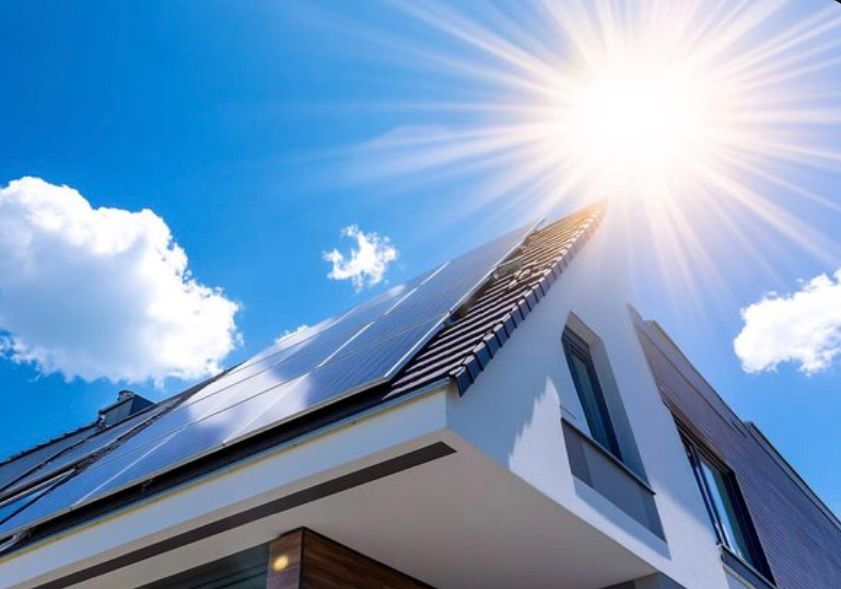
There is a familiar scene in many Nigerian neighborhoods during the dry season. The sun rises early and begins to shine intensely even before midday. Children play outside, traders open their shops, and the heat becomes almost impossible to ignore by afternoon. For many people, the sun is simply something to endure every day. Yet that same sunlight carries enormous energy that can power homes, schools, and businesses.
This is the idea behind solar energy.
Solar energy is power that comes directly from sunlight. Through the use of solar panels, sunlight can be captured and converted into electricity. These panels contain materials that react when exposed to sunlight, producing electrical energy that can be used immediately or stored in batteries for later use.
In recent years, solar energy has gained increasing attention in Nigeria. In many communities where electricity from the national grid is unreliable or unavailable, solar panels have become a practical alternative. Small businesses now power their shops with solar systems. Households use solar energy for lighting, charging phones, and running basic appliances.
One reason solar energy is attractive is that sunlight is abundant. The sun shines across most parts of Nigeria for many hours each day. Unlike fossil fuels, sunlight does not need to be mined, transported, or refined before it can be used.
Another advantage is environmental impact. Solar energy produces electricity without burning fuel. This means it releases far fewer pollutants into the atmosphere compared with traditional fossil fuels.
However, solar energy also comes with certain limitations. Electricity generation depends on sunlight, which means cloudy weather or nighttime can reduce power supply. To address this, many solar systems include batteries that store excess energy during the day so it can be used later.
Despite these challenges, solar energy continues to grow around the world. Advances in technology are making solar panels more efficient and more affordable. Governments and private investors are also supporting solar projects that expand electricity access to rural and underserved communities.
For many countries, including Nigeria, solar energy represents more than just another power source. It represents an opportunity to rethink how electricity is generated and delivered. Instead of relying entirely on large power plants located far away, solar systems allow communities to generate electricity closer to where it is actually needed.
The same sun that lights up the sky each morning may also play a major role in powering the future.