
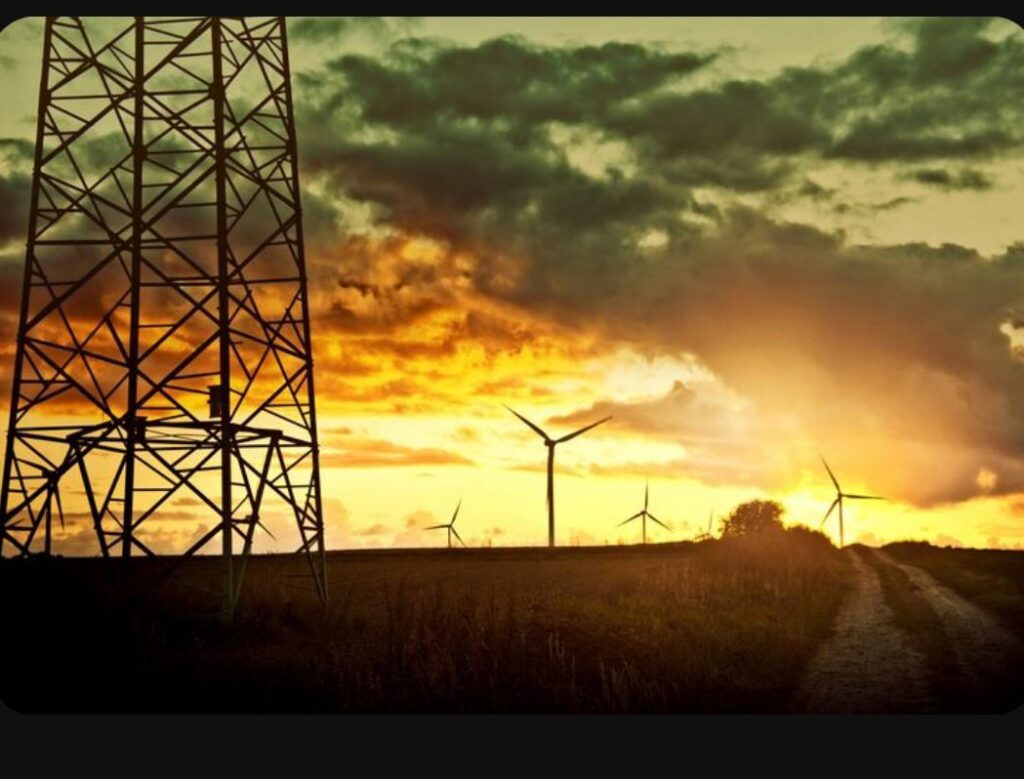
Energy can also be understood by looking at how it is produced and used. In this case, energy is often grouped into primary energy and secondary energy.
Primary energy refers to energy that comes directly from natural resources. These are the raw energy sources found in nature before they are converted into other forms.
Examples of primary energy include sunlight, wind, flowing water, crude oil, natural gas, and coal. These resources exist naturally and serve as the starting point for many energy systems.
For instance, sunlight is a primary energy source. Solar panels capture sunlight and convert it into electricity. Similarly, flowing water in rivers can be used to generate electricity in dams such as Shiroro Dam.
Crude oil and natural gas are also primary energy sources. These fuels are extracted from beneath the earth and then processed to produce different forms of usable energy.
Secondary energy is the form of energy that results after primary energy has been converted. Electricity is one of the most common examples of secondary energy. It is produced in power plants using primary energy sources such as natural gas, water, or sunlight.
Refined fuels such as petrol and diesel are also examples of secondary energy. They are produced after crude oil has been processed in refineries.
Understanding the difference between primary and secondary energy helps explain how energy moves from natural resources to the electricity and fuels that power daily life. It reveals the journey energy takes before it reaches homes, businesses, and industries.