
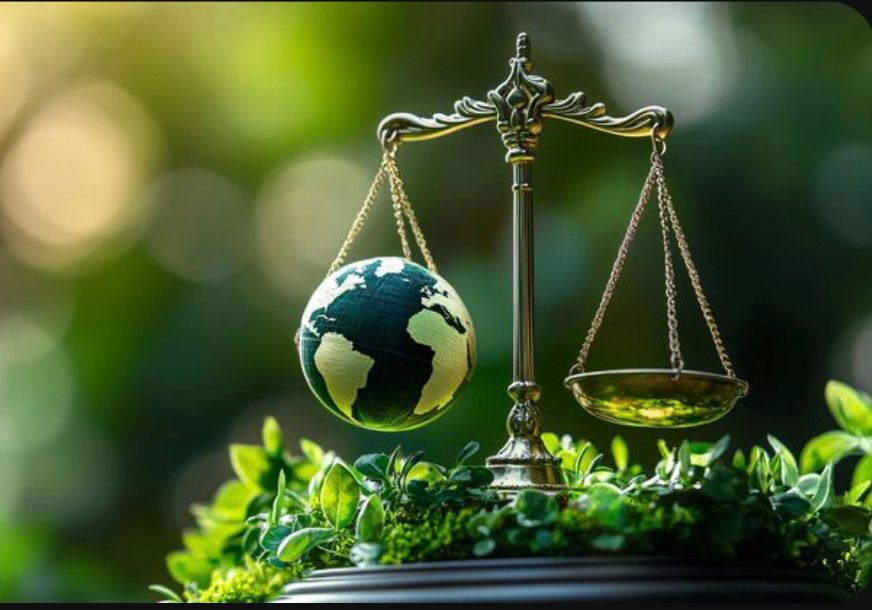
Climate change affects everyone. Rising temperatures, unpredictable rainfall, floods, and desertification are real challenges for Nigeria. Climate change law is the body of rules, policies, and regulations that aim to reduce harmful environmental impacts and guide how people, businesses, and governments respond.
What Climate Change Law Covers
At its core, climate change law focuses on two main areas: reducing greenhouse gas emissions and adapting to climate impacts. This means encouraging cleaner energy, such as solar or wind, protecting forests and other natural resources, and ensuring cities and infrastructure are prepared for changing weather patterns.
Who It Applies To
Everyone has a role. Businesses in energy, manufacturing, agriculture, and transportation must follow rules that reduce emissions and prevent environmental harm. Citizens can also help by making sustainable choices, conserving energy, and supporting policies that protect the environment.
Why It Matters
The law ensures that Nigeria can grow economically without causing irreversible damage to the environment. It also creates accountability, making sure that people and companies take responsibility for their actions. While enforcement can be challenging, having these rules in place is essential for a sustainable future.
Climate change law is about keeping Nigeria safe, healthy, and resilient. It provides guidance on how we live, work, and develop in a way that protects the environment for ourselves and future generations.