
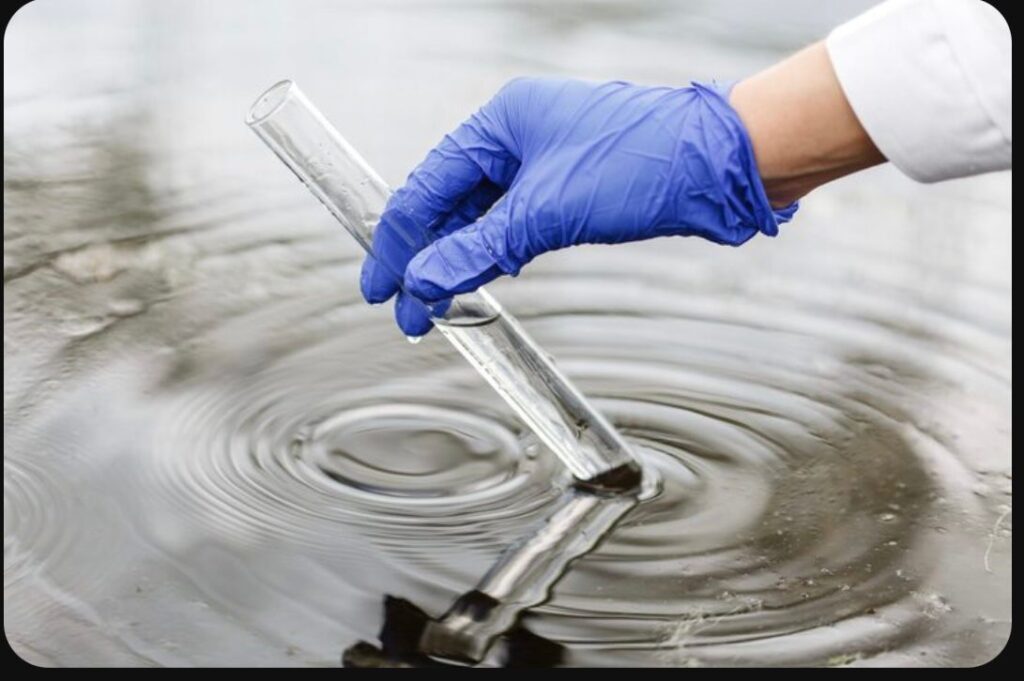
Water is life. Rivers, lakes, streams, and underground aquifers provide drinking water, irrigation for crops, power generation, and habitat for ecosystems. In Nigeria, water resources are essential not only for daily survival but also for economic development. Yet, these precious resources are constantly threatened by pollution from industrial, agricultural, and domestic activities. To protect water quality, Nigeria has developed a framework of water laws and pollution control measures that affect citizens, businesses, and government agencies alike.
Understanding Water Pollution
Water pollution occurs when harmful substances are introduced into water bodies, making the water unsafe for human consumption, agriculture, or aquatic life. Common sources of pollution in Nigeria include industrial effluents, oil spills, untreated sewage, agricultural chemicals, and solid waste disposal. Polluted water has serious consequences. It can cause waterborne diseases, damage ecosystems, reduce agricultural productivity, and limit access to safe drinking water. Beyond health impacts, water pollution also affects commerce, tourism, and livelihoods that depend on rivers and lakes.
Nigeria’s Legal Framework on Water Protection
Nigeria has a variety of legal instruments that govern water use and pollution control. The National Environmental Standards and Regulations Enforcement Agency Act of 2007 gives the agency the power to enforce water quality standards and monitor pollution. The Water Resources Act regulates the use of surface and groundwater for domestic, agricultural, and industrial purposes. Additionally, the Environmental Impact Assessment Act requires projects that could affect water resources to conduct a thorough assessment before approval.
These laws set clear responsibilities for businesses and individuals. Factories, mines, and oil exploration companies are required to treat effluents before discharging them into rivers or streams. Municipalities must ensure that sewage is properly treated before it enters waterways. Individuals are also prohibited from dumping waste into rivers, lakes, or drainage systems.
Enforcement Challenges
While the laws exist, enforcement remains a major challenge. Limited government resources, rapid urbanization, industrial growth, and insufficient monitoring make it difficult to prevent water pollution effectively. Oil spills in the Niger Delta, untreated wastewater from urban centers, and chemical runoff from farms are common examples of where enforcement gaps have led to serious environmental damage. However, some high-profile cases demonstrate that the law can hold polluters accountable. Court actions against companies responsible for spills or illegal dumping have set important precedents, signaling that water pollution is not acceptable.
The Role of Citizens
Citizens play an important role in water protection. Individuals can report pollution incidents to regulatory agencies or local authorities. Community organizations often monitor local water bodies and raise awareness about unsafe practices. Public vigilance is essential, especially in areas where government enforcement may be limited.
Why Water Laws Matter
Water pollution laws are not abstract rules. They exist to protect health, ensure sustainable development, and maintain ecosystems. Clean water is fundamental to life, and legal frameworks provide a mechanism to hold polluters accountable. Understanding these laws empowers citizens, informs businesses, and strengthens compliance.
In Nigeria, safeguarding water requires a combination of awareness, action, and enforcement. Everyone has a responsibility to ensure that rivers, lakes, and streams remain safe and sustainable for current and future generations. The law is a tool, but clean water ultimately depends on collective commitment and respect for the environment.